Fracture Recovery Timeline: What to Expect After a Broken Bone
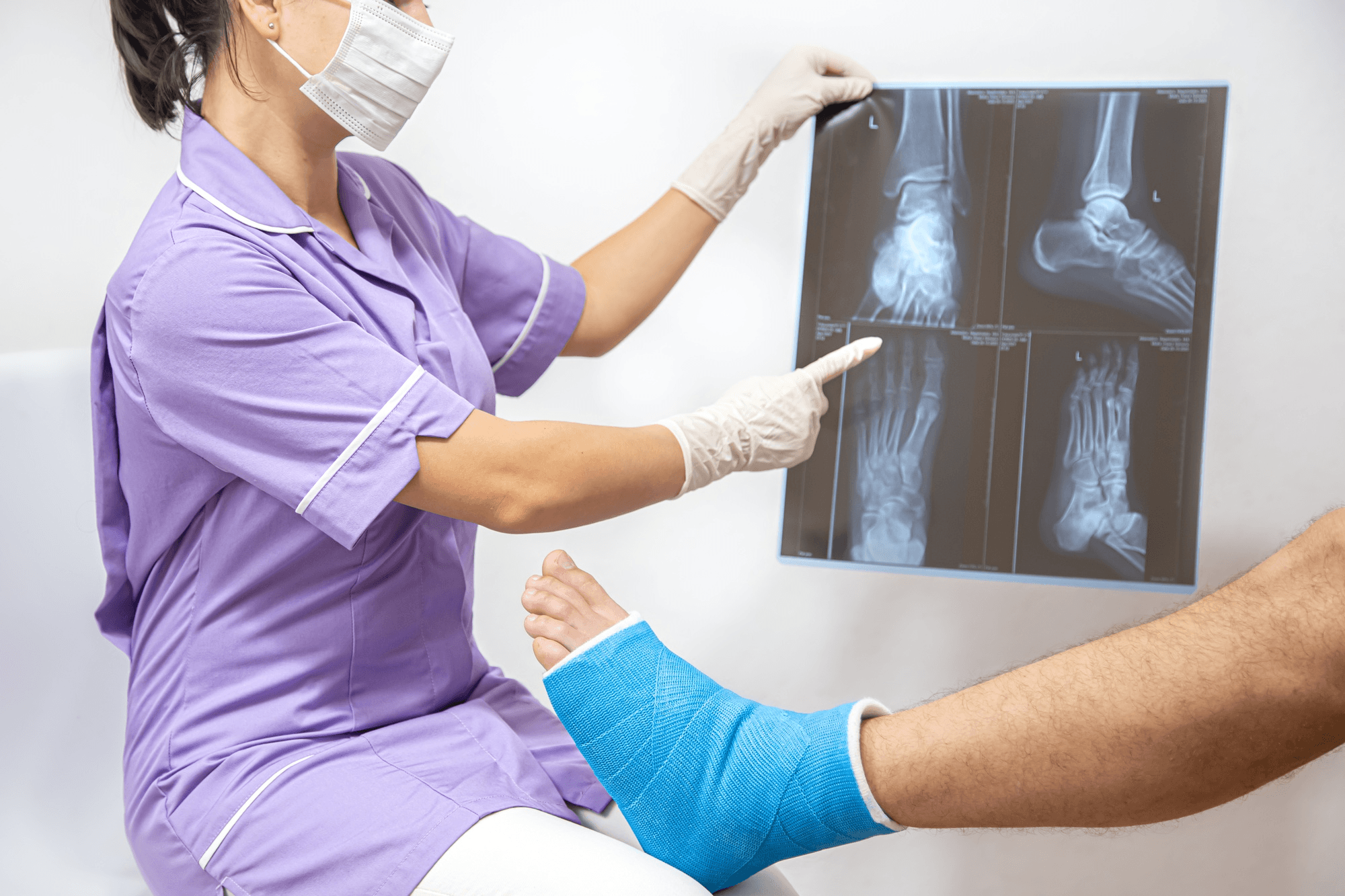
A nurse reviews a bone X-ray with a patient during an orthopedic appointment, explaining the findings and supporting the treatment process.
Breaking a bone can happen unexpectedly, a fall at home, a sports injury, or a road accident can leave you dealing with pain, limited mobility, and many questions about recovery.
One of the most common concerns patients ask is, "How long will my fracture take to heal?"
The answer depends on several factors, including the type of fracture, your age, overall health, and whether surgery is required. Understanding the healing process can help you recover safely and avoid complications.
What Happens When a Bone Breaks?
A fracture occurs when excessive force causes a bone to crack or break.
Fractures range from simple hairline cracks to complex injuries involving multiple bone fragments.
Some fractures heal with casting, while others require surgical fixation using plates, screws, or rods.
Stage 1: The First Week
Immediately after a fracture, your body starts repairing itself.
During this stage:
- Swelling develops
- Blood clots form around the fracture
- Inflammation begins healing
Pain is usually most intense during the first few days.
Proper immobilization is essential.
Stage 2: Weeks 2 to 6
The body starts producing new bone tissue called a soft callus.
Patients often notice:
- Reduced pain
- Improved comfort
- Gradual decrease in swelling
Although symptoms improve, the bone is still fragile.
Stage 3: Weeks 6 to 12
The soft callus gradually hardens into stronger bone.
Depending on the fracture:
- Casts may be removed
- Weight-bearing may begin
- Physiotherapy often starts
Regular follow-up X-rays help confirm healing.
Stage 4: Rehabilitation
Healing doesn't end when the bone joins.
Muscles often become weaker after weeks of immobilization.
Rehabilitation focuses on:
- Improving strength
- Restoring flexibility
- Regaining balance
- Returning to daily activities
Following your rehabilitation plan is just as important as the initial treatment.
Factors That Affect Healing
Recovery varies depending on:
- Age
- Smoking
- Diabetes
- Nutrition
- Blood supply
- Severity of fracture
- Patient compliance
Healthy habits can significantly improve healing.
Signs Your Fracture Is Healing Well
Positive signs include:
- Less pain
- Improved movement
- Reduced swelling
- Increasing strength
- Healthy X-ray findings
Warning Signs That Need Medical Attention
Contact your orthopedic surgeon if you notice:
- Increasing pain
- Persistent swelling
- Fever
- Redness around surgical wounds
- Numbness
- Cast becoming too tight
- Difficulty moving fingers or toes
Early intervention helps prevent complications.
Tips for Faster Recovery
You can support healing by:
- Following weight-bearing instructions
- Eating enough protein and calcium
- Taking prescribed medications
- Avoiding smoking
- Attending physiotherapy
- Keeping follow-up appointments
Patience is important, returning to activities too early can delay healing.
Expert Care Makes All the Difference
A fracture may heal naturally, but proper orthopedic care ensures the bone heals in the correct position and helps restore full function. Whether your injury requires conservative treatment or surgery, regular monitoring is essential for the best possible outcome.
Consult Dr. Akash for expert fracture management and comprehensive orthopedic care. From emergency trauma treatment to rehabilitation and long-term recovery, Dr. Akash provides personalized care aimed at helping you heal safely, regain strength, and return to your normal routine as quickly as possible.