Intra-articular injections
Targeted joint injections can provide meaningful relief for persistent pain, often delaying or entirely avoiding the need for surgical intervention.
Understanding the Condition
Delivering medication directly into the joint space allows for concentrated treatment—whether reducing inflammation or supporting natural healing—exactly where it's needed most.
What causes this condition?
Joint inflammation and pain that respond well to injection therapy typically arise from osteoarthritis, mild to moderate cartilage wear, synovitis, or localised inflammatory flare-ups within an otherwise reasonably functional joint.
Who is commonly affected?
Patients with early to moderate osteoarthritis, particularly of the knee, hip or shoulder, and those wanting to manage symptoms before considering surgery, are the most common candidates, along with active individuals managing joint inflammation from overuse.
Symptoms/indications to watch for
Joint pain and stiffness that limit activity, swelling after exertion, pain that partially responds to medication but keeps returning, and reduced comfort with weight-bearing or movement are typical indications for considering injection therapy.
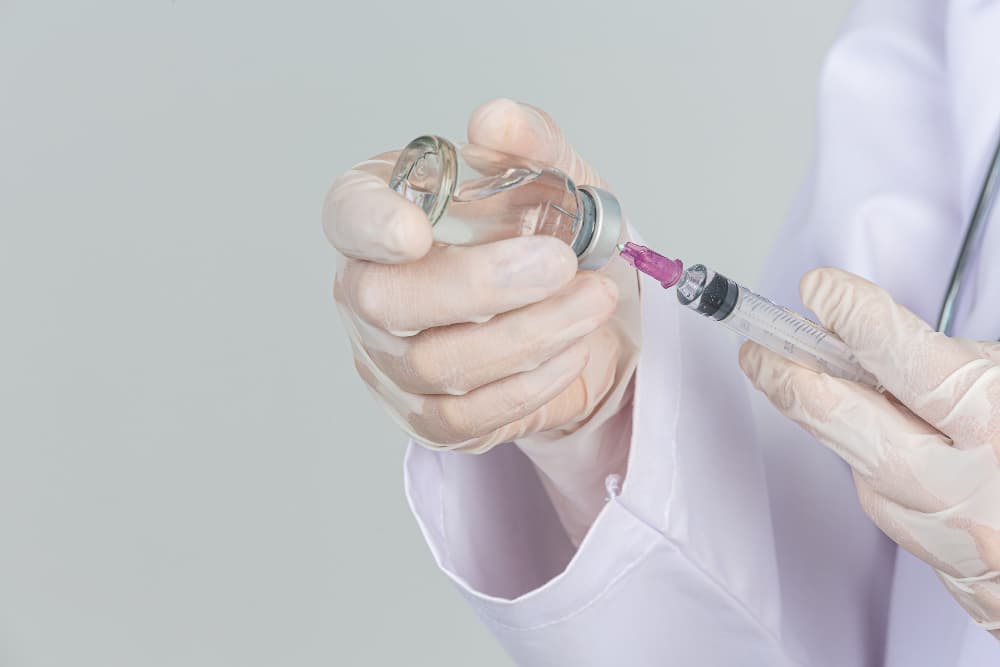
How it quietly reshapes daily life.
Joint pain that flares with activity often leads patients to quietly scale back the things they enjoy — long walks, sport, time on their feet at work — to manage discomfort. The goal of injection therapy is to interrupt that cycle, restoring enough comfort that normal activity becomes possible again.
When Should You Consider Intra-articular injections?
Injections are typically considered when physiotherapy and oral medication haven't fully controlled symptoms, when a patient wants to avoid or delay surgery, or to manage a flare of joint pain that's affecting daily function in the interim before or alongside other treatment.
TREATMENT OPTIONS
Non-surgical approaches
Injections themselves are a non-surgical treatment and are generally used alongside physiotherapy, activity modification and, where relevant, weight management — together forming a comprehensive non-operative plan for joint pain.
When surgery becomes necessary
Injections are not a substitute for surgery when joint damage is advanced. If symptoms continue to progress despite repeated injections and other conservative measures, and imaging confirms significant structural joint damage, surgical options such as joint replacement may be discussed.
What happens during the procedure?
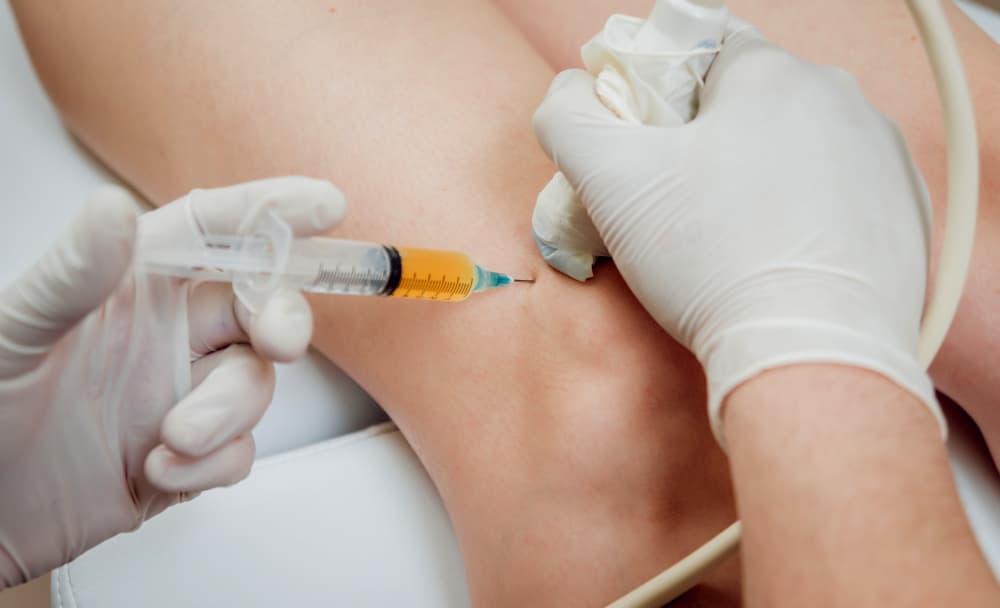
Performed in a clinic setting under local anaesthetic, the targeted joint is cleaned and the medication is injected directly into the joint space, often with the support of ultrasound guidance to ensure precise placement. The procedure typically takes only a few minutes, and most patients can resume light activity the same day with some temporary precautions.
BENEFITS
What Patients Often ExperienceAfter Treatment
Many patients experience reduced pain and improved joint comfort within days to a few weeks, with relief that can last several months depending on the type of injection and the severity of joint damage. For appropriately selected patients, this can mean a meaningful return to daily activity without surgery.
Why Patients Choose
Dr. Akash Dubey
Six commitments that shape every visit, every plan, every recovery.

Expert Orthopedic Care
Sub-specialty expertise across joint, sports and trauma orthopedics.

Advanced Surgical Techniques
Minimally invasive, computer-assisted and modern arthroscopic methods.

Patient-Centric Approach
Treatment plans built around your lifestyle, goals and timelines.

Personalised recovery roadmap
A printed week-by-week plan you'll actually follow.

Long-term mobility focus
We treat the next ten years, not just the next ten days.

Pelvic & Acetabular Expertise
Focused expertise in pelvic and acetabular fracture surgery.
What You Gain

Recovery Focused
Structured rehabilitation programs designed to help patients regain mobility, strength, and confidence after surgery.

Long Term Pain Relief
Advanced treatment solutions aimed at reducing chronic pain and improving everyday comfort.

Improved Mobility
Helping patients return to daily activities with greater ease, stability and freedom of movement. People move freely.
Answers to the questions patients ask most.
Don't see your question? Reach out , we'd rather have the conversation than leave you guessing.
If knee pain continues to affect your daily activities, sleep, or mobility despite medications, physiotherapy and lifestyle modifications, knee replacement may be an option. A detailed evaluation can help determine the most suitable treatment for your condition.
Recovery depends on the injury and procedure. Many patients return to light activity within a few weeks and to full sport over a structured rehabilitation programme tailored to their goals.
Most patients begin guided movement soon after surgery, progress through physiotherapy, and steadily regain function over weeks to a few months with the right support.
Yes. Many cases are managed with medication, physiotherapy, lifestyle changes, activity modification and injections. Surgery is recommended only when conservative options no longer provide relief.
We listen to your history, examine you, review any imaging and discuss honest options. You leave with a clear understanding of your condition and the path forward.
Take the first step towards pain-free movement.
Book a personal consultation with Dr. Akash Dubey and receive a clear, honest path forward, tailored to your goals and timeline.
Call ClinicBook your consultation
Fill out the form below and we'll get back to you within 24 hours