Growth Modulation Procedures
Growth modulation offers a gentle, minimally invasive way to correct limb deformities in children by guiding natural bone growth back to normal alignment.
Understanding the Condition
Using a small implant near the growth plate, this procedure gently guides natural growth to gradually straighten the limb without the need for cutting bone.
What causes this condition?
Limb deformities suitable for growth modulation can be congenital, related to conditions like rickets or metabolic bone disease, follow an injury to the growth plate, or occur as idiopathic (no clear identifiable cause) bowing of the legs or knock-knee that doesn't resolve with normal growth.
Who is commonly affected?
This treatment is specific to growing children and adolescents who still have open growth plates and sufficient remaining growth to achieve correction — the procedure isn't suitable once growth plates have closed.
Symptoms/indications to watch for
Visible bowing of the legs (genu varum) or knock-knees (genu valgum) that persists beyond the age it would normally self-correct, an uneven gait, one limb appearing longer or more angled than the other, and parental or paediatric concern about progressive deformity are common reasons for referral.
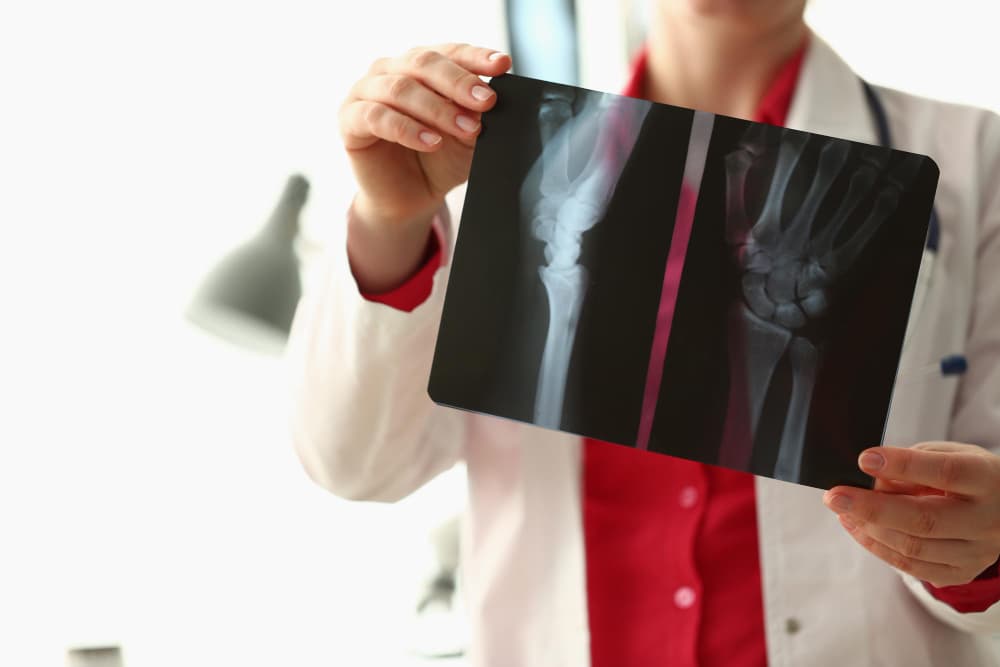
How it quietly reshapes daily life.
For a child, a noticeable limb deformity can affect confidence, participation in sport and play, and — left uncorrected into adolescence — can set the stage for joint pain in adulthood as weight is unevenly distributed across the knee or ankle with every step.
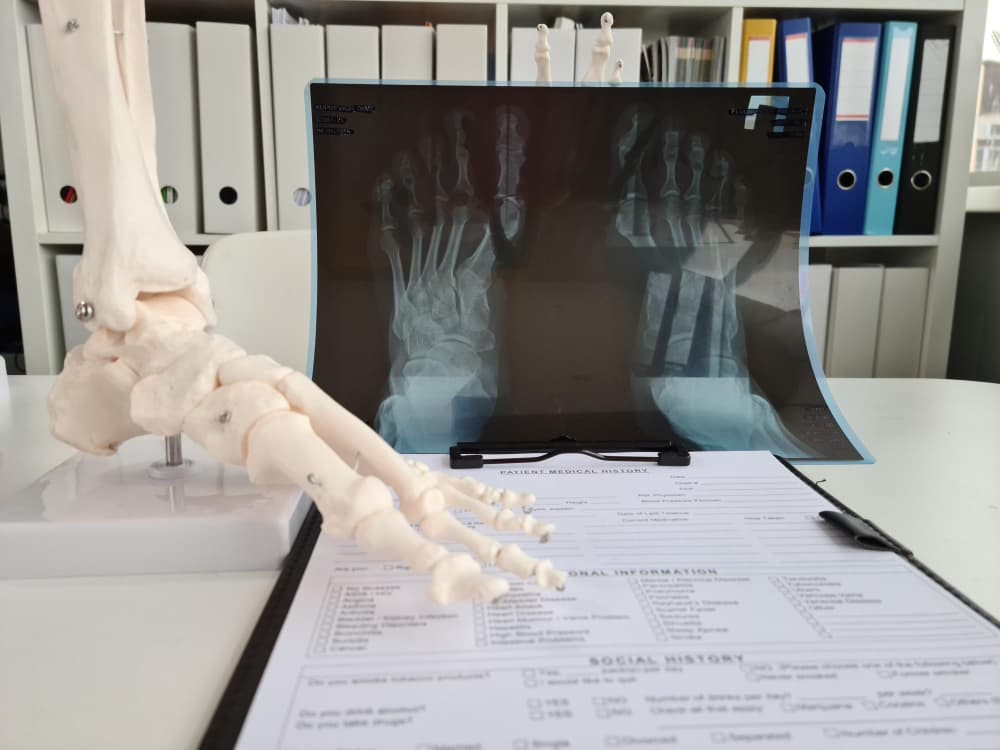
When Should You Consider Growth Modulation Procedures?
Growth modulation is considered when a deformity is confirmed to be progressive or persistent (rather than a normal variant that will self-correct), and importantly, while the child still has enough growth remaining for the technique to work — making early evaluation and timing important.
TREATMENT OPTIONS
Non-surgical approaches
Many cases of childhood bow-leggedness or knock-knee are simply monitored, since a significant proportion correct naturally as part of normal growth. Regular clinical and imaging follow-up is used to distinguish normal variation from a deformity likely to need intervention.
When surgery becomes necessary
When deformity is confirmed to be progressive, significant, or unlikely to self-correct, and the child has adequate remaining growth, guided growth surgery is recommended — timed carefully to allow correction to complete before the growth plate naturally closes.
What happens during the procedure?
Performed as a short, minimally invasive day-care procedure, a small plate and screws (or a single screw, depending on the technique) are placed across one side of the growth plate through a small incision, without disturbing the joint itself. As the child continues to grow, the untreated side of the growth plate grows faster, gradually straightening the limb over months. Once correction is achieved, a second short procedure removes the implant, after which normal growth resumes.
BENEFITS
What Patients Often ExperienceAfter Treatment
Growth modulation offers correction through the body's own growth, avoiding the larger incisions, bone cuts and longer recovery associated with surgical osteotomy. Most children return to regular activity within days of the implant procedure, and successful correction reduces the long-term risk of joint problems from uneven limb alignment.
Why Patients Choose
Dr. Akash Dubey
Six commitments that shape every visit, every plan, every recovery.

Expert Orthopedic Care
Sub-specialty expertise across joint, sports and trauma orthopedics.

Advanced Surgical Techniques
Minimally invasive, computer-assisted and modern arthroscopic methods.

Patient-Centric Approach
Treatment plans built around your lifestyle, goals and timelines.

Personalised recovery roadmap
A printed week-by-week plan you'll actually follow.

Long-term mobility focus
We treat the next ten years, not just the next ten days.

Pelvic & Acetabular Expertise
Focused expertise in pelvic and acetabular fracture surgery.
What You Gain

Recovery Focused
Structured rehabilitation programs designed to help patients regain mobility, strength, and confidence after surgery.

Long Term Pain Relief
Advanced treatment solutions aimed at reducing chronic pain and improving everyday comfort.

Improved Mobility
Helping patients return to daily activities with greater ease, stability and freedom of movement. People move freely.
Answers to the questions patients ask most.
Don't see your question? Reach out , we'd rather have the conversation than leave you guessing.
If knee pain continues to affect your daily activities, sleep, or mobility despite medications, physiotherapy and lifestyle modifications, knee replacement may be an option. A detailed evaluation can help determine the most suitable treatment for your condition.
Recovery depends on the injury and procedure. Many patients return to light activity within a few weeks and to full sport over a structured rehabilitation programme tailored to their goals.
Most patients begin guided movement soon after surgery, progress through physiotherapy, and steadily regain function over weeks to a few months with the right support.
Yes. Many cases are managed with medication, physiotherapy, lifestyle changes, activity modification and injections. Surgery is recommended only when conservative options no longer provide relief.
We listen to your history, examine you, review any imaging and discuss honest options. You leave with a clear understanding of your condition and the path forward.
Take the first step towards pain-free movement.
Book a personal consultation with Dr. Akash Dubey and receive a clear, honest path forward, tailored to your goals and timeline.
Call ClinicBook your consultation
Fill out the form below and we'll get back to you within 24 hours