Joint Arthroscopy
Arthroscopy is a minimally invasive technique that diagnoses and treats joint issues through tiny incisions, ensuring less tissue disruption and a faster recovery.
Understanding the Condition
Using a small camera and fine instruments, this keyhole surgery treats cartilage and ligament problems from inside the joint, avoiding the need for large open incisions.
What causes this condition?
Cartilage tears (meniscus in the knee, labrum in the shoulder), ligament injuries, loose bodies, synovitis and certain forms of impingement typically result from sports injuries, twisting or falling injuries, repetitive strain, or degenerative wear over time.
Who is commonly affected?
Athletes and physically active individuals are at higher risk of acute tears, while degenerative meniscus or labral changes are common in adults over 40. Occupations involving repetitive kneeling, lifting or overhead work also raise the risk.
Symptoms/indications to watch for
Joint pain with specific movements, swelling after activity, a sensation of catching, locking or giving way, reduced range of motion, and weakness or instability during sport or daily tasks are common indications that imaging and possible arthroscopic evaluation may be needed.
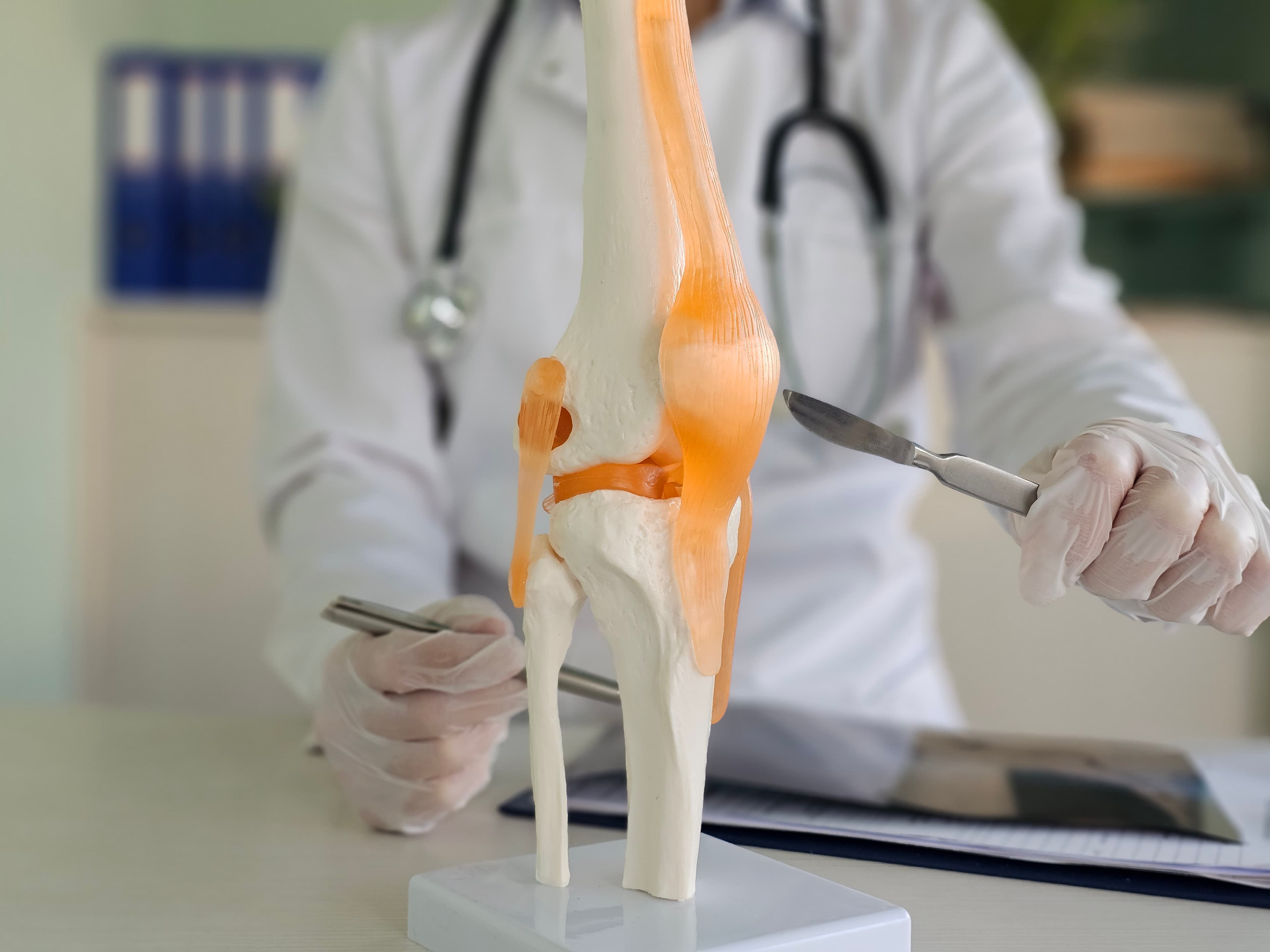
How it quietly reshapes daily life.
A persistent meniscus tear or shoulder labral injury can make ordinary movements unpredictable — a knee that suddenly locks while walking, a shoulder that catches when reaching overhead. Many patients start avoiding certain positions or activities altogether, and sport, exercise or even simple household tasks become a source of hesitation rather than routine.
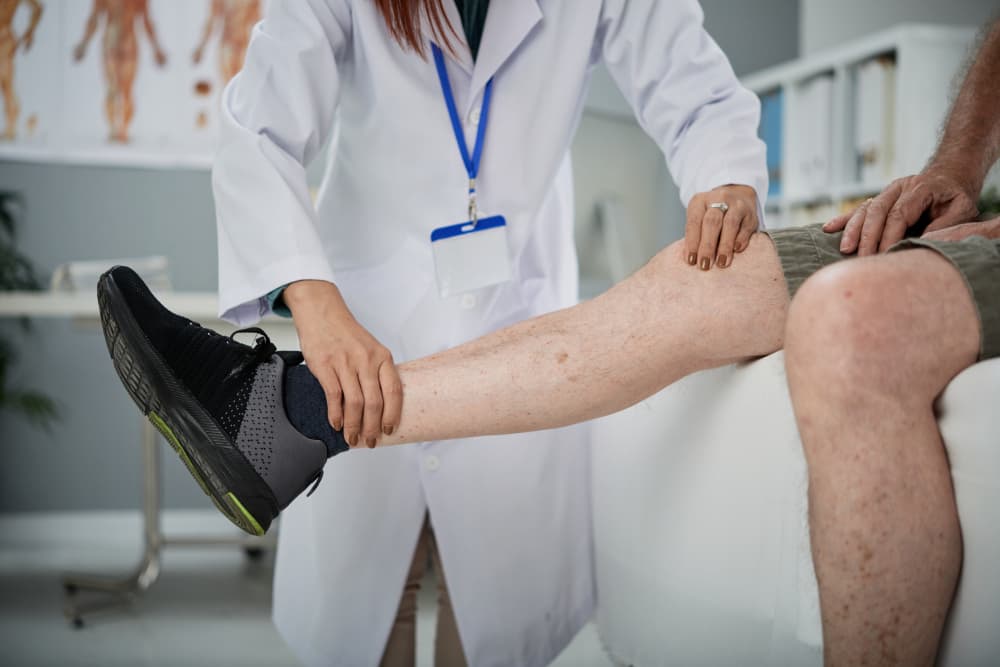
When Should You Consider Joint Arthroscopy?
Arthroscopy is considered when symptoms — locking, instability, persistent pain or swelling — continue despite rest and physiotherapy, or when imaging confirms a mechanical problem inside the joint, such as a displaced meniscus fragment or unstable ligament tear, that is unlikely to resolve on its own.
TREATMENT OPTIONS
Non-surgical approaches
Many soft-tissue injuries, particularly smaller or stable tears, are first managed with rest, activity modification, targeted physiotherapy and anti-inflammatory treatment, which can resolve symptoms without surgery.
When surgery becomes necessary
When mechanical symptoms persist — locking, catching, instability — or when imaging shows a tear pattern unlikely to heal with conservative care, arthroscopic surgery is recommended to address the underlying problem directly.
What happens during the procedure?
Performed under regional or general anaesthesia, a small camera is inserted through a tiny incision to give a magnified, direct view inside the joint. Through one or two additional small incisions, fine instruments are used to trim, repair or reconstruct the damaged tissue — such as repairing or trimming a torn meniscus, addressing a labral tear, or removing loose fragments — guided entirely by the live camera view, with minimal disruption to surrounding healthy tissue.
BENEFITS
What Patients Often ExperienceAfter Treatment
Because incisions are small, most patients experience less post-operative pain, reduced scarring and a faster return to daily activity compared with open surgery. With a guided rehabilitation programme, many return to walking within days and to sport or full activity over a structured timeline tailored to the specific repair performed.
Why Patients Choose
Dr. Akash Dubey
Six commitments that shape every visit, every plan, every recovery.

Expert Orthopedic Care
Sub-specialty expertise across joint, sports and trauma orthopedics.

Advanced Surgical Techniques
Minimally invasive, computer-assisted and modern arthroscopic methods.

Patient-Centric Approach
Treatment plans built around your lifestyle, goals and timelines.

Personalised recovery roadmap
A printed week-by-week plan you'll actually follow.

Long-term mobility focus
We treat the next ten years, not just the next ten days.

Pelvic & Acetabular Expertise
Focused expertise in pelvic and acetabular fracture surgery.
What You Gain

Recovery Focused
Structured rehabilitation programs designed to help patients regain mobility, strength, and confidence after surgery.

Long Term Pain Relief
Advanced treatment solutions aimed at reducing chronic pain and improving everyday comfort.

Improved Mobility
Helping patients return to daily activities with greater ease, stability and freedom of movement. People move freely.
Answers to the questions patients ask most.
Don't see your question? Reach out , we'd rather have the conversation than leave you guessing.
If knee pain continues to affect your daily activities, sleep, or mobility despite medications, physiotherapy and lifestyle modifications, knee replacement may be an option. A detailed evaluation can help determine the most suitable treatment for your condition.
Recovery depends on the injury and procedure. Many patients return to light activity within a few weeks and to full sport over a structured rehabilitation programme tailored to their goals.
Most patients begin guided movement soon after surgery, progress through physiotherapy, and steadily regain function over weeks to a few months with the right support.
Yes. Many cases are managed with medication, physiotherapy, lifestyle changes, activity modification and injections. Surgery is recommended only when conservative options no longer provide relief.
We listen to your history, examine you, review any imaging and discuss honest options. You leave with a clear understanding of your condition and the path forward.
Take the first step towards pain-free movement.
Book a personal consultation with Dr. Akash Dubey and receive a clear, honest path forward, tailored to your goals and timeline.
Call ClinicBook your consultation
Fill out the form below and we'll get back to you within 24 hours