Fracture and Trauma Surgeries
Providing comprehensive care from emergency to recovery, we focus on accurate alignment and stable fixation to get you moving safely after any fracture.
Understanding the Condition
We manage the full spectrum of fractures and trauma, ensuring emergency stabilisation, definitive surgical fixation, and complete rehabilitation to restore normal bone function.
What causes this condition?
Falls, road traffic accidents, sports injuries and direct impact are the most common causes. In older adults, low bone density (osteoporosis) means even minor falls can result in fractures, particularly of the wrist, hip and spine.
Who is commonly affected?
Fractures occur across all age groups, but patterns differ — children and young adults are more prone to high-energy sports and accident-related fractures, while older adults are more susceptible to fragility fractures from minor falls due to weakening bone.
Symptoms/indications to watch for
Severe pain immediately after injury, visible deformity or swelling, inability to bear weight or use the limb normally, bruising, and in some cases an audible snap at the time of injury are all signs that prompt imaging and evaluation are needed.
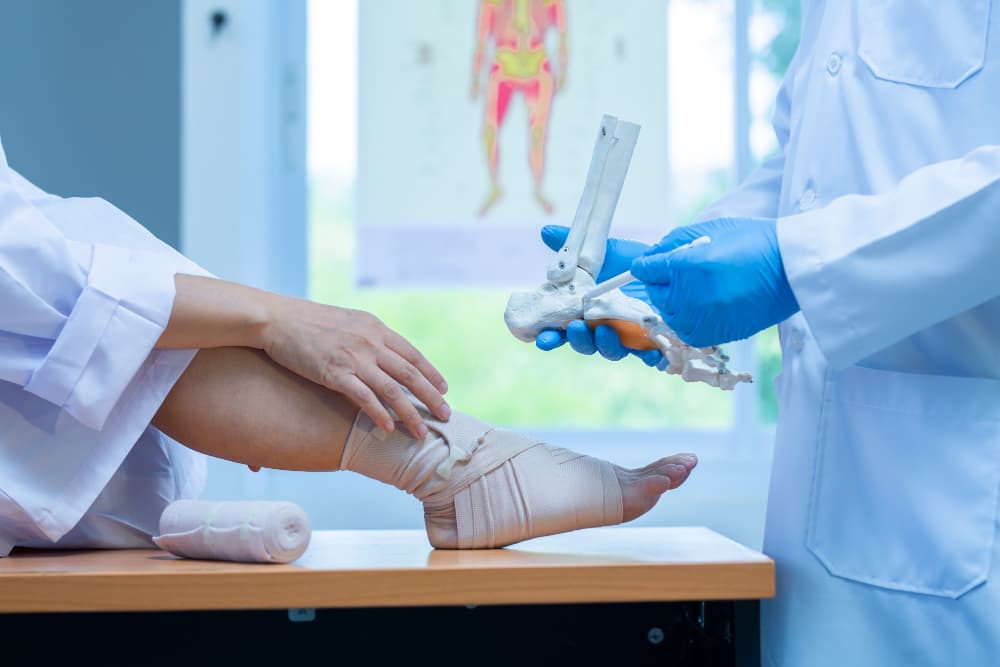
How it quietly reshapes daily life.
A fracture, even a "minor" one, can suddenly take away the ability to work, drive, care for family or simply move around the house independently. Beyond the physical limitation, there's often real anxiety about how well the bone will heal and whether normal function will fully return — which is why clear communication through the recovery process matters as much as the surgery itself.
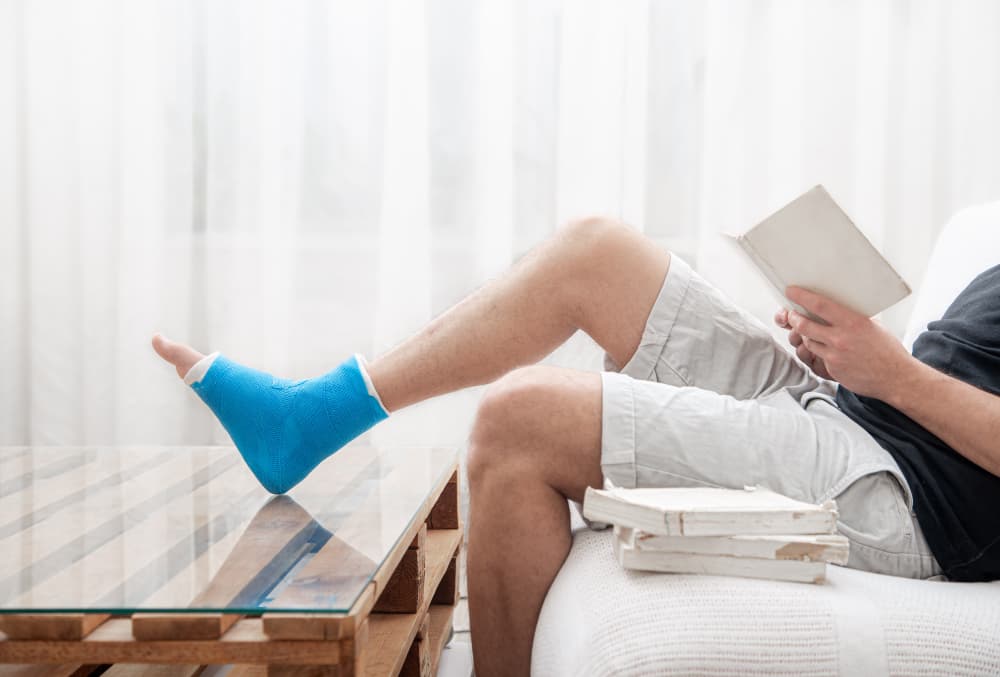
When Should You Consider Fracture and Trauma Surgeries?
Any suspected fracture warrants prompt evaluation with imaging. Whether the fracture is treated surgically or non-surgically depends on its location, displacement, stability and whether it involves a joint surface — factors that determine the likelihood of healing well without intervention.
TREATMENT OPTIONS
Non-surgical approaches
Stable, well-aligned fractures are often managed with casting, splinting or bracing, allowing the bone to heal naturally with regular imaging to confirm it's staying in good position, alongside guided physiotherapy as healing progresses.
When surgery becomes necessary
Surgery is generally recommended for fractures that are significantly displaced, unstable, involve a joint surface, fail to heal with conservative treatment, or carry a high risk of malunion if left to heal on their own.
What happens during the procedure?
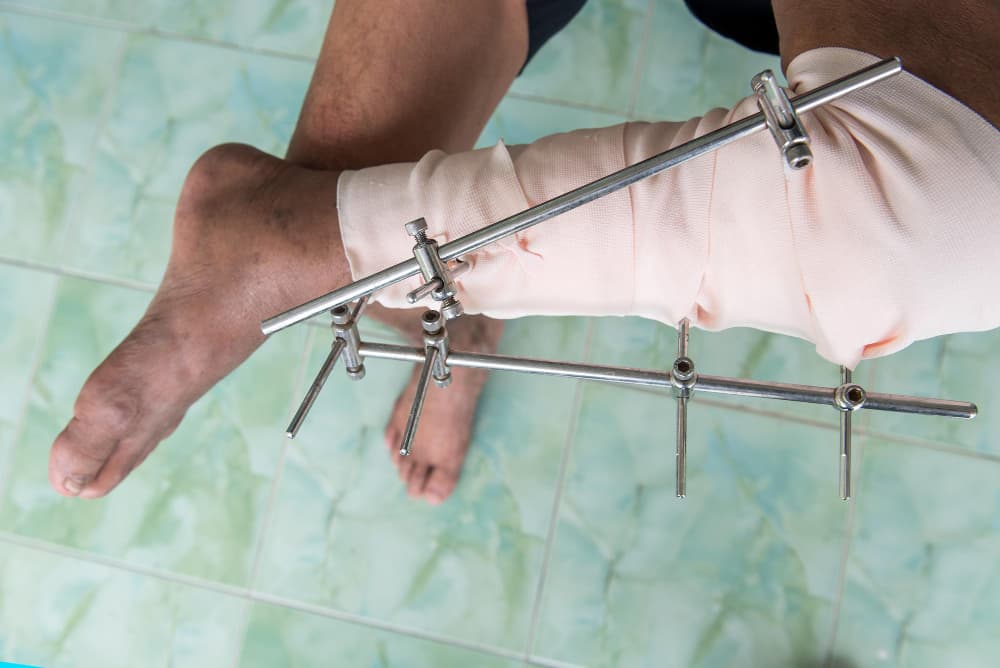
Depending on the fracture pattern, fixation may involve plates and screws, intramedullary rods, or external fixation, chosen to best stabilise the specific bone and fracture type. The priority during surgery is restoring accurate alignment and providing stable fixation that allows safe, early mobilisation — which plays a major role in preventing stiffness and supporting a smoother recovery.
BENEFITS
What Patients Often ExperienceAfter Treatment
Accurate fixation allows most patients to begin supervised movement sooner than they would with prolonged immobilisation alone, reducing stiffness and muscle loss. With proper healing and structured rehabilitation, the large majority of patients regain full or near-full function of the injured limb.
Why Patients Choose
Dr. Akash Dubey
Six commitments that shape every visit, every plan, every recovery.

Expert Orthopedic Care
Sub-specialty expertise across joint, sports and trauma orthopedics.

Advanced Surgical Techniques
Minimally invasive, computer-assisted and modern arthroscopic methods.

Patient-Centric Approach
Treatment plans built around your lifestyle, goals and timelines.

Personalised recovery roadmap
A printed week-by-week plan you'll actually follow.

Long-term mobility focus
We treat the next ten years, not just the next ten days.

Pelvic & Acetabular Expertise
Focused expertise in pelvic and acetabular fracture surgery.
What You Gain

Recovery Focused
Structured rehabilitation programs designed to help patients regain mobility, strength, and confidence after surgery.

Long Term Pain Relief
Advanced treatment solutions aimed at reducing chronic pain and improving everyday comfort.

Improved Mobility
Helping patients return to daily activities with greater ease, stability and freedom of movement. People move freely.
Answers to the questions patients ask most.
Don't see your question? Reach out , we'd rather have the conversation than leave you guessing.
If knee pain continues to affect your daily activities, sleep, or mobility despite medications, physiotherapy and lifestyle modifications, knee replacement may be an option. A detailed evaluation can help determine the most suitable treatment for your condition.
Recovery depends on the injury and procedure. Many patients return to light activity within a few weeks and to full sport over a structured rehabilitation programme tailored to their goals.
Most patients begin guided movement soon after surgery, progress through physiotherapy, and steadily regain function over weeks to a few months with the right support.
Yes. Many cases are managed with medication, physiotherapy, lifestyle changes, activity modification and injections. Surgery is recommended only when conservative options no longer provide relief.
We listen to your history, examine you, review any imaging and discuss honest options. You leave with a clear understanding of your condition and the path forward.
Take the first step towards pain-free movement.
Book a personal consultation with Dr. Akash Dubey and receive a clear, honest path forward, tailored to your goals and timeline.
Call ClinicBook your consultation
Fill out the form below and we'll get back to you within 24 hours