Sports Injury Treatment
Combining sports-specific expertise with structured rehabilitation, Dr. Dubey helps athletes recover from ligament tears and overuse injuries to safely return to peak performance.
Understanding the Condition
Effective treatment of sports injuries—from acute ligament tears to chronic overuse—relies on precise diagnosis and a recovery plan tailored specifically to the athlete's goals.
What causes this condition?
Sudden twisting, direct impact, awkward landings and overstretching cause acute injuries such as ligament tears and dislocations. Overuse injuries, by contrast, build up gradually from repetitive stress, training errors, inadequate recovery, or poor biomechanics.
Who is commonly affected?
Competitive and recreational athletes across football, cricket, running, basketball and racquet sports are most commonly affected, though weekend athletes and individuals returning to exercise after a long break are also at notable risk, particularly for overuse injuries.
Symptoms/indications to watch for
Sudden pain or a "pop" sensation during activity, swelling, joint instability or a feeling the joint may give way, reduced strength or range of motion, and pain that persists or worsens with continued training are signs that warrant assessment rather than "playing through it."
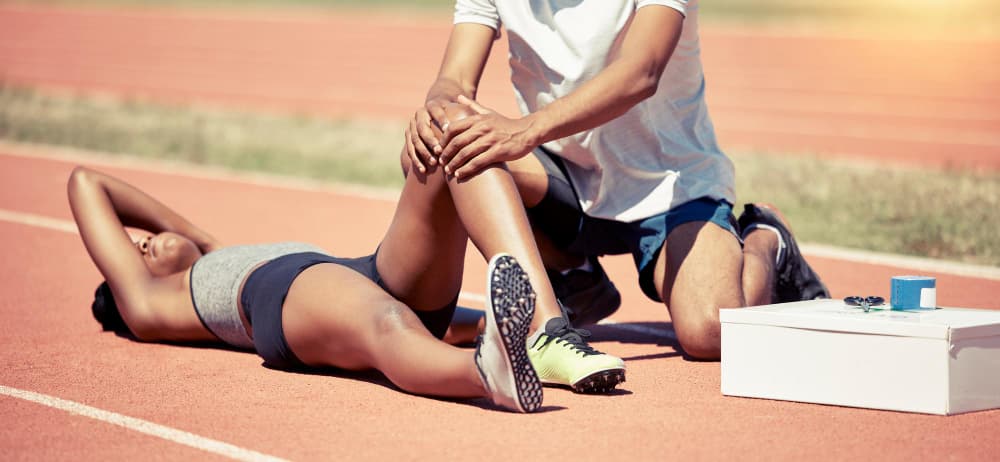
How it quietly reshapes daily life.
For an athlete, an untreated sports injury rarely stays contained to the field — it changes how they walk, sit, and move through an ordinary day, and the uncertainty of when (or whether) they'll return to their sport often weighs as heavily as the physical limitation. Compensating for an injured joint can also lead to secondary problems elsewhere in the body if left unaddressed.
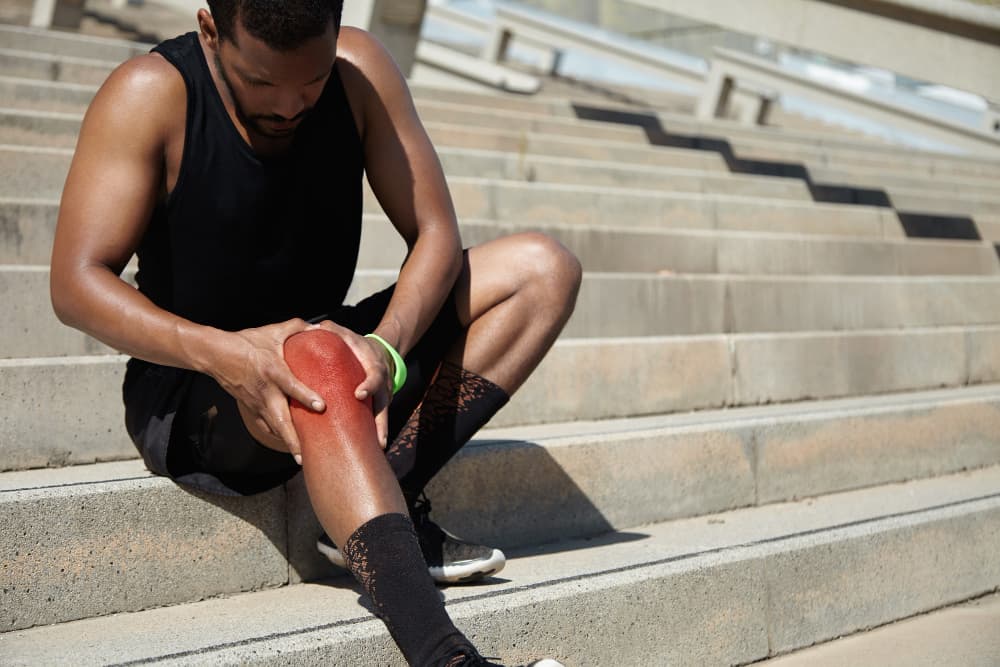
When Should You Consider Sports Injury Treatment?
Any injury involving a "pop," significant swelling, instability or inability to bear weight should be evaluated promptly. For overuse injuries, persistent pain that affects training, doesn't improve with rest, or recurs each time activity resumes is a clear signal to seek a structured diagnosis and treatment plan rather than self-managing indefinitely.
TREATMENT OPTIONS
Non-surgical approaches
Many sports injuries — partial ligament sprains, tendinitis, muscle strains — respond well to a structured programme of rest, bracing, targeted physiotherapy, strength and biomechanics correction, and gradual return-to-sport protocols.
When surgery becomes necessary
Complete ligament tears (such as ACL or PCL ruptures), significant cartilage damage, recurrent instability, or injuries that fail to improve with rehabilitation typically require surgical reconstruction or repair to restore stability and function, particularly for athletes returning to competitive sport.
What happens during the procedure?
Most surgical sports injury treatment is performed arthroscopically, through small incisions using camera-guided instruments. Torn ligaments such as the ACL are typically reconstructed using a graft to recreate stable joint mechanics, while meniscus and cartilage injuries are repaired or addressed as needed in the same setting. Surgery is followed by a sport-specific, phased rehabilitation programme designed around the athlete's particular sport and competitive goals.
BENEFITS
What Patients Often ExperienceAfter Treatment
With the right diagnosis and a disciplined rehabilitation programme, most athletes regain joint stability, strength and confidence in movement, with many returning to full sport within a structured timeline. Addressing the injury properly — rather than masking symptoms — also reduces the risk of re-injury and long-term joint damage.
Why Patients Choose
Dr. Akash Dubey
Six commitments that shape every visit, every plan, every recovery.

Expert Orthopedic Care
Sub-specialty expertise across joint, sports and trauma orthopedics.

Advanced Surgical Techniques
Minimally invasive, computer-assisted and modern arthroscopic methods.

Patient-Centric Approach
Treatment plans built around your lifestyle, goals and timelines.

Personalised recovery roadmap
A printed week-by-week plan you'll actually follow.

Long-term mobility focus
We treat the next ten years, not just the next ten days.

Pelvic & Acetabular Expertise
Focused expertise in pelvic and acetabular fracture surgery.
What You Gain

Recovery Focused
Structured rehabilitation programs designed to help patients regain mobility, strength, and confidence after surgery.

Long Term Pain Relief
Advanced treatment solutions aimed at reducing chronic pain and improving everyday comfort.

Improved Mobility
Helping patients return to daily activities with greater ease, stability and freedom of movement. People move freely.
Answers to the questions patients ask most.
Don't see your question? Reach out , we'd rather have the conversation than leave you guessing.
If knee pain continues to affect your daily activities, sleep, or mobility despite medications, physiotherapy and lifestyle modifications, knee replacement may be an option. A detailed evaluation can help determine the most suitable treatment for your condition.
Recovery depends on the injury and procedure. Many patients return to light activity within a few weeks and to full sport over a structured rehabilitation programme tailored to their goals.
Most patients begin guided movement soon after surgery, progress through physiotherapy, and steadily regain function over weeks to a few months with the right support.
Yes. Many cases are managed with medication, physiotherapy, lifestyle changes, activity modification and injections. Surgery is recommended only when conservative options no longer provide relief.
We listen to your history, examine you, review any imaging and discuss honest options. You leave with a clear understanding of your condition and the path forward.
Take the first step towards pain-free movement.
Book a personal consultation with Dr. Akash Dubey and receive a clear, honest path forward, tailored to your goals and timeline.
Call ClinicBook your consultation
Fill out the form below and we'll get back to you within 24 hours