Robotic Joint Replacement Surgery
Robotic-assisted joint replacement offers unmatched precision, helping restore natural movement and a personalised fit for severe arthritis pain.
Understanding the Condition
We resurface damaged joints using advanced robotic technology, allowing for precise implant positioning tailored to your unique anatomy for smoother, pain-free movement.
What causes this condition?
Cartilage in the knee or hip gradually wears down over years from osteoarthritis, prior injury, inflammatory joint disease or genetic predisposition. As the cushioning cartilage thins, bone begins to meet bone, producing the stiffness, grinding and pain that eventually bring patients to surgery.
Who is commonly affected?
Adults over 50 are most commonly affected, though earlier-onset arthritis, post-traumatic arthritis after old injuries, and inflammatory conditions like rheumatoid arthritis can bring younger patients to this stage as well.
Symptoms/indications to watch for
Persistent joint pain that limits walking or stairs, stiffness that takes time to ease in the morning or after rest, swelling, a grinding or catching sensation, visible deformity such as bow-leggedness, and pain that no longer responds to medication or physiotherapy are key indications.

How it quietly reshapes daily life.
Advanced joint arthritis quietly rewrites everyday routines. Walking shorter distances becomes tiring, stairs need a railing and a pause, and activities like gardening, travel or sport fall away one by one. Sleep is often disturbed by a deep ache, and simple tasks — getting up from a chair, putting on shoes, getting in and out of a car — start to require real effort and planning.
When Should You Consider Robotic Joint Replacement Surgery?
Joint replacement is considered once pain and stiffness significantly limit mobility and quality of life despite a fair trial of conservative treatment. The decision isn't based on X-rays alone — it's based on how much the joint is affecting daily independence, sleep and the ability to stay active, alongside imaging findings confirming advanced joint damage.
TREATMENT OPTIONS
Non-surgical approaches
Earlier-stage arthritis is often managed with weight optimisation, targeted physiotherapy to strengthen surrounding muscles, activity modification, anti-inflammatory medication, and intra-articular injections, which can meaningfully delay the need for surgery.
When surgery becomes necessary
When conservative measures no longer control pain, and joint damage is advanced enough to limit walking, sleep and daily function, replacement becomes the most reliable way to relieve pain and restore movement.
What happens during the procedure?
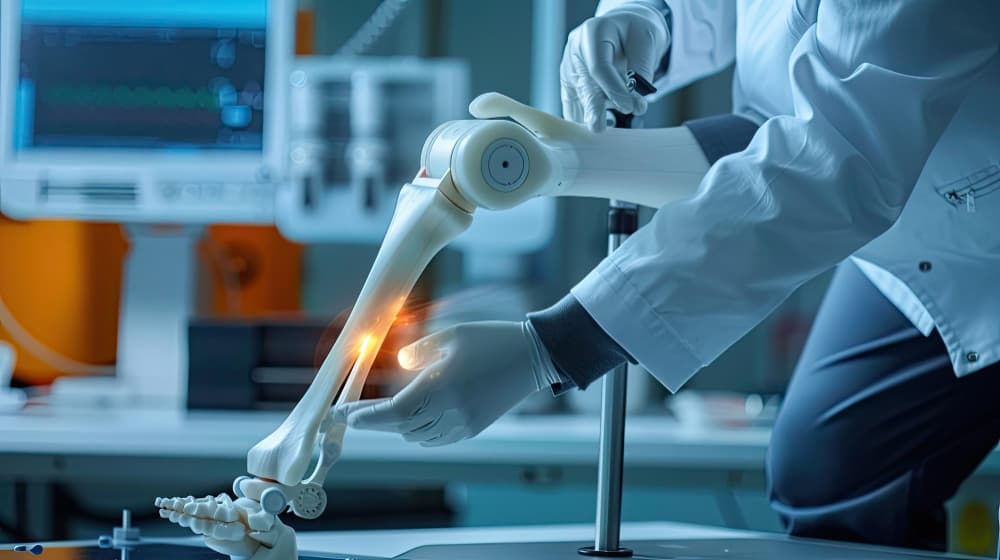
Using pre-operative imaging, a personalised 3D surgical plan is built for the patient's specific joint anatomy. During surgery, robotic-assisted instrumentation helps guide bone preparation and implant positioning within the planned parameters, while preserving healthy bone and soft tissue wherever possible. The damaged joint surfaces are removed and resurfaced with implants designed to closely replicate natural joint movement and alignment, after which a structured rehabilitation programme begins, usually with guided movement starting within a day of surgery.
BENEFITS
What Patients Often ExperienceAfter Treatment
Patients commonly report substantial pain relief, improved range of motion and the confidence to return to activities like walking, stairs and travel without constant discomfort. The added precision of robotic-assisted positioning is associated with more consistent alignment and implant fit, which can support a more natural feel during movement and a smoother, more predictable recovery.
Why Patients Choose
Dr. Akash Dubey
Six commitments that shape every visit, every plan, every recovery.

Expert Orthopedic Care
Sub-specialty expertise across joint, sports and trauma orthopedics.

Advanced Surgical Techniques
Minimally invasive, computer-assisted and modern arthroscopic methods.

Patient-Centric Approach
Treatment plans built around your lifestyle, goals and timelines.

Personalised recovery roadmap
A printed week-by-week plan you'll actually follow.

Long-term mobility focus
We treat the next ten years, not just the next ten days.

Pelvic & Acetabular Expertise
Focused expertise in pelvic and acetabular fracture surgery.
What You Gain

Recovery Focused
Structured rehabilitation programs designed to help patients regain mobility, strength, and confidence after surgery.

Long Term Pain Relief
Advanced treatment solutions aimed at reducing chronic pain and improving everyday comfort.

Improved Mobility
Helping patients return to daily activities with greater ease, stability and freedom of movement. People move freely.
Answers to the questions patients ask most.
Don't see your question? Reach out , we'd rather have the conversation than leave you guessing.
If knee pain continues to affect your daily activities, sleep, or mobility despite medications, physiotherapy and lifestyle modifications, knee replacement may be an option. A detailed evaluation can help determine the most suitable treatment for your condition.
Recovery depends on the injury and procedure. Many patients return to light activity within a few weeks and to full sport over a structured rehabilitation programme tailored to their goals.
Most patients begin guided movement soon after surgery, progress through physiotherapy, and steadily regain function over weeks to a few months with the right support.
Yes. Many cases are managed with medication, physiotherapy, lifestyle changes, activity modification and injections. Surgery is recommended only when conservative options no longer provide relief.
We listen to your history, examine you, review any imaging and discuss honest options. You leave with a clear understanding of your condition and the path forward.
Take the first step towards pain-free movement.
Book a personal consultation with Dr. Akash Dubey and receive a clear, honest path forward, tailored to your goals and timeline.
Call ClinicBook your consultation
Fill out the form below and we'll get back to you within 24 hours