Why Does My Knee Hurt? Common Causes of Knee Pain and When to Seek Treatment
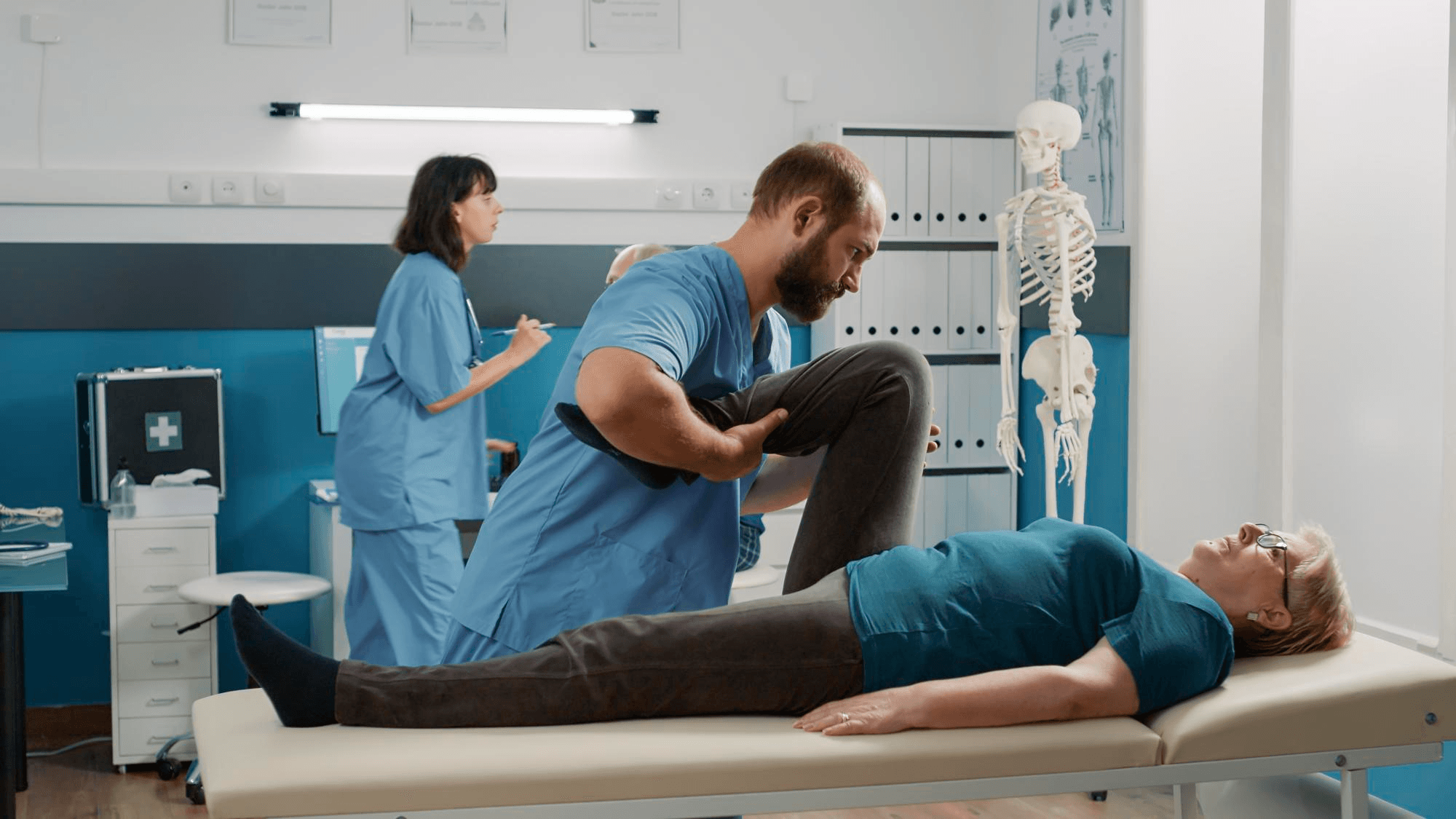
An orthopedic doctor assists a patient with knee rehabilitation exercises during a physiotherapy session.
Knee pain is one of the most common reasons people visit an orthopedic specialist. It can affect people of all ages, from athletes recovering from sports injuries to older adults dealing with arthritis, and even office workers who spend long hours sitting.
Sometimes, knee pain develops suddenly after an injury. In other cases, it appears gradually and worsens over time. While occasional discomfort may improve with rest, persistent or recurring knee pain should never be ignored.
Understanding the possible causes of knee pain can help you know when it's time to seek expert care.
Common Causes of Knee Pain
1. Osteoarthritis
Osteoarthritis is the most common cause of chronic knee pain, especially in adults over 50.
Over time, the cartilage that cushions the knee joint wears down, causing bones to rub against each other. This can result in:
- Pain while walking
- Morning stiffness
- Swelling
- Grinding or clicking sensations
- Reduced mobility
Early treatment can help manage symptoms and delay disease progression.
2. Ligament Injuries
The knee contains four major ligaments that provide stability. Sports injuries, sudden twisting movements, or accidents can cause ligament tears, particularly the ACL.
Common symptoms include:
- A popping sensation
- Immediate swelling
- Knee instability
- Difficulty walking
Prompt diagnosis is essential for proper recovery.
3. Meniscus Tears
The meniscus acts as a shock absorber inside the knee.
It can tear due to sports injuries or simply from age-related wear and tear.
Symptoms include:
- Pain while twisting
- Swelling
- Locking of the knee
- Difficulty straightening the leg
Many meniscus injuries respond well to timely treatment.
4. Runner's Knee
Despite its name, runner's knee doesn't only affect runners.
It can occur in cyclists, gym-goers, and even office workers due to muscle imbalance or poor movement patterns.
Pain is usually felt around the kneecap, especially while:
- Climbing stairs
- Squatting
- Sitting for long periods
5. Tendinitis
Overuse can inflame the tendons around the knee, causing pain during activity.
Athletes involved in jumping sports often experience patellar tendinitis, commonly known as "jumper's knee."
When Should You See an Orthopedic Specialist?
Seek medical attention if you notice:
- Pain lasting more than two weeks
- Swelling that doesn't improve
- Difficulty bearing weight
- Knee instability
- Locking or catching sensations
- Decreased range of motion
Ignoring these symptoms can allow the condition to worsen.
How Knee Pain Is Diagnosed
An orthopedic evaluation typically includes:
- Detailed medical history
- Physical examination
- X-rays
- MRI (when necessary)
- Assessment of walking pattern and joint function
An accurate diagnosis ensures the right treatment plan.
Treatment Options
Not every painful knee requires surgery.
Depending on the diagnosis, treatment may include:
- Activity modification
- Physiotherapy
- Anti-inflammatory medications
- Knee braces
- Joint injections
- Arthroscopic surgery
- Knee replacement for advanced arthritis
The goal is always to restore function while relieving pain.
Can Knee Pain Be Prevented?
Simple habits can reduce your risk:
- Maintain a healthy weight
- Strengthen leg muscles
- Stretch regularly
- Wear supportive footwear
- Avoid sudden increases in activity
- Warm up before exercise
These lifestyle changes also help protect your joints over time.
Don't Ignore Persistent Knee Pain
Knee pain isn't just an inconvenience, it can limit your independence, reduce physical activity, and affect your overall quality of life. The earlier the cause is identified, the easier it is to treat in many cases.
Book a consultation with Dr. Akash if you're experiencing persistent knee pain, swelling, instability, or difficulty walking. With expertise in sports injuries, arthroscopy, joint preservation, and knee replacement surgery, Dr. Akash offers personalized treatment plans designed to relieve pain, restore movement, and help you get back to your everyday activities with confidence.