Complex Pelvic Fractures After Road Accidents: Why You Need a Specialist Surgeon in Noida NCR
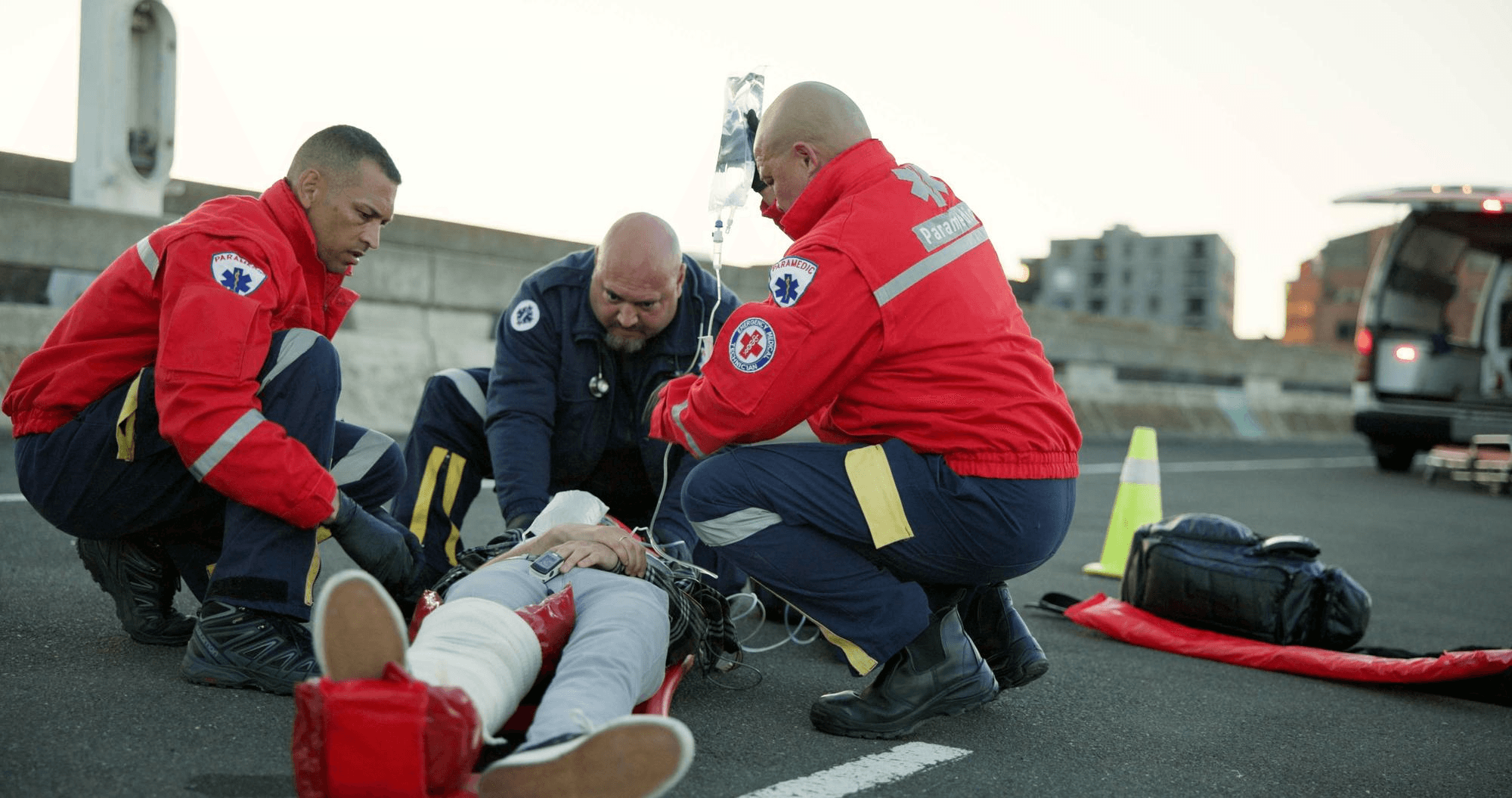
Ambulance at an accident scene, paramedics rushing an injured patient, showing how critical pelvic fractures are.
India has one of the highest rates of road accident fatalities in the world. And among the severe injuries that follow high-speed collisions — whether on the Noida-Greater Noida Expressway, the Delhi-Meerut highway, or the dense residential roads of Gaur City and surrounding areas — pelvic fractures are among the most dangerous and frequently underestimated.
They look dramatic on a scan. They bleed heavily. They involve the most densely packed region of the human body — bones, nerves, blood vessels, bladder, and intestines all sharing the same tight space. And yet, despite all of this, patients are sometimes transferred to community hospitals without the specialist care these fractures demand.
This article is about what actually happens when the pelvis breaks in a road accident, why these injuries are different from other fractures, and what "specialised care" means in practice — particularly for patients in Noida, Greater Noida, and the NCR region.
Why Road Accidents Cause Pelvic Fractures
The pelvis is a strong structure. It takes significant force to break it. In young adults, the kind of force required typically comes from:
- Head-on vehicle collisions — the dashboard or steering wheel drives into the pelvis
- Side-impact crashes — lateral compression fractures are common here
- Motorcyclist accidents — the biker's pelvis hits the ground, another vehicle, or a roadside barrier
- Pedestrian-vehicle impact — the pelvis absorbs the direct force of a vehicle bumper
- Falls from height — construction accidents, falls from trucks or scaffolding
In Greater Noida and the wider NCR, two-wheeler accidents are disproportionately represented in pelvic trauma cases. The combination of high traffic density, variable road conditions, and the relative absence of protective gear makes motorcyclists and pillion riders particularly vulnerable.
What Makes These Fractures "Complex"
Not all pelvic fractures are created equal. A hairline crack in the pubic ramus of an elderly person who slipped is very different from what a road accident does to the pelvis of a 28-year-old.
High-energy pelvic fractures from road accidents are complex for several reasons:
1. Multiple Break Points
As mentioned earlier, the pelvis is a ring. When a high-energy force hits it, it typically breaks in more than one place. The anterior part (the pubic symphysis or rami) and the posterior part (the sacroiliac joint or sacrum) can both give way. This creates an unstable pelvic ring — meaning the bones can shift and continue to cause damage even after the initial trauma.
2. Massive Internal Bleeding
The pelvis sits in the middle of a web of major blood vessels. The iliac arteries and veins, the presacral venous plexus, and smaller vessels supplying the bladder and reproductive organs all pass through this region. When the pelvic ring breaks and the bones shift, these vessels tear.
Haemorrhage is the leading cause of death in pelvic fracture patients. The pelvic cavity can accommodate several litres of blood before any external signs appear. By the time a patient arrives at a hospital, they may already be haemodynamically unstable — meaning their blood pressure has dropped, their pulse has risen, and their body is compensating for blood loss.
This is why the first priority in a road accident pelvic fracture is not the bone — it is stopping the bleeding.
3. Associated Injuries
Road accident pelvic fractures rarely come alone. Common associated injuries include:
- Bladder or urethral damage — the bladder sits directly in front of the pelvic bones and is vulnerable to being punctured by displaced fragments
- Sciatic nerve injury — causing weakness or numbness in the leg
- Lumbar spine fractures — the L4–L5 level is particularly vulnerable in high-energy pelvic trauma
- Femoral fractures — the same force that breaks the pelvis often breaks the thigh bone too
- Abdominal organ injuries — to the spleen, liver, or bowel
Each of these requires its own management. The orthopaedic surgeon is often working alongside a general surgeon, a urologist, and a vascular surgeon in the same patient.
The Emergency Phase: The First Few Hours Matter Most
When a patient with a high-energy pelvic fracture arrives at a trauma centre, the immediate priorities are:
Haemorrhage control — A pelvic binder (a circumferential compression device wrapped around the pelvis) is applied immediately. This compresses the pelvic ring and reduces the space for blood to collect. It is a life-saving intervention that takes seconds to apply.
Fluid resuscitation — IV access, blood transfusion, and clotting factor replacement begin simultaneously.
Damage control — If the patient is too unstable for definitive surgery, a temporary external fixator (a frame attached to the outside of the body with pins into the bone) can stabilise the pelvis rapidly.
Definitive imaging — Once the patient is stabilised, a CT scan provides the detailed picture needed for surgical planning.
This is a choreographed, multi-specialist effort. Hospitals and trauma centres that see these cases regularly — and have the right surgical teams in place — have significantly better outcomes than those that do not.
Why Pelvic Fracture Care in Noida NCR Needs Specialists
Patients with complex pelvic fractures from road accidents in the Noida–Greater Noida corridor often get taken to the nearest available hospital — which may or may not have a surgeon trained in pelvic trauma. This is understandable in a genuine emergency. Stabilisation must happen wherever the patient lands.
But once the patient is stable, the question of definitive fracture management becomes critical. And this is where a specialist matters.
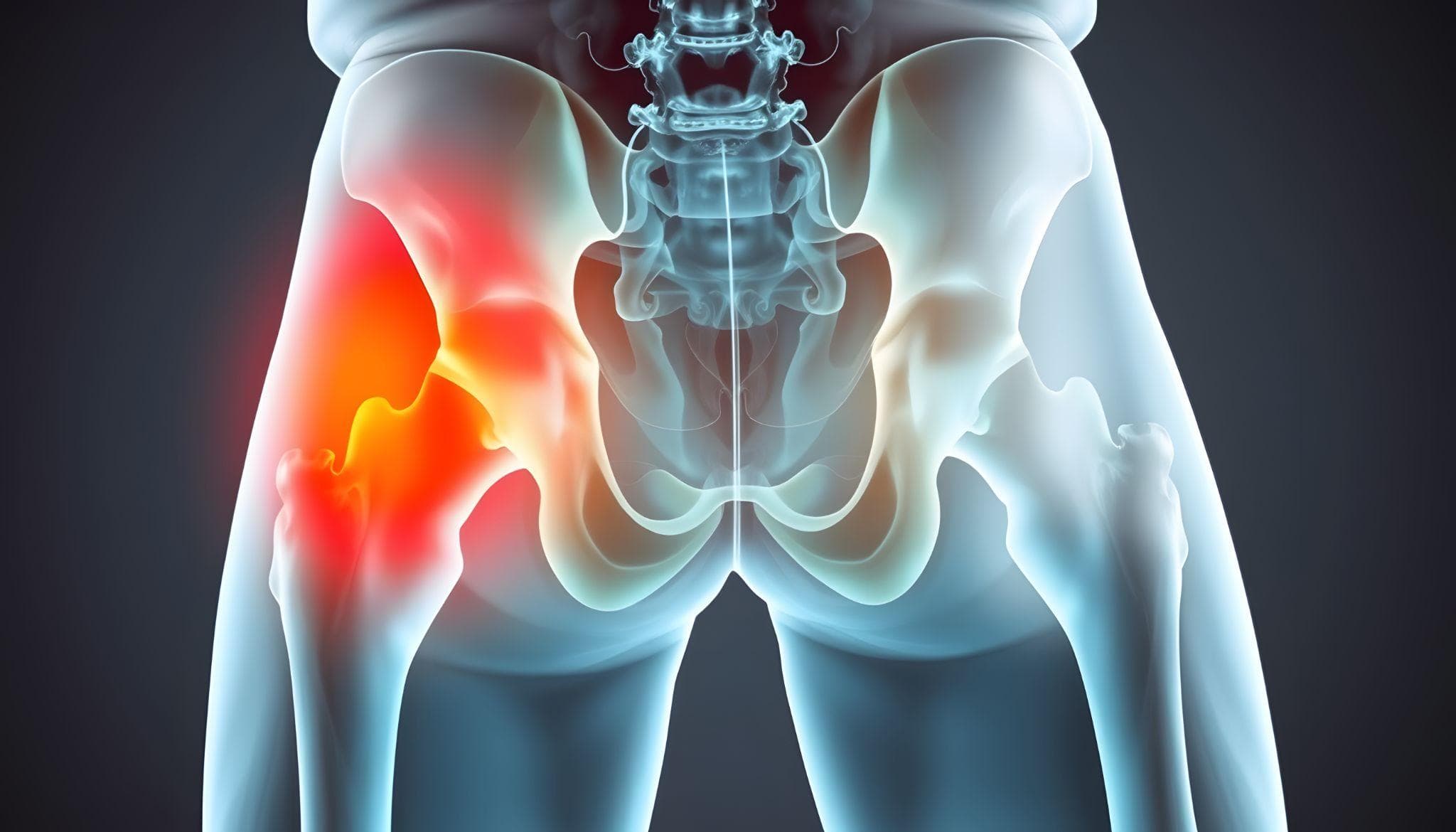
X-ray style illustration highlighting pain and damage in the hip joint.
Acetabular and pelvic ring fractures involve complex three-dimensional anatomy. The surgical approaches are not standard orthopaedic incisions — they require specific training. Getting the reduction wrong (meaning the bones are not aligned precisely) has long-term consequences: chronic pain, post-traumatic arthritis, nerve damage, and difficulty walking for years.
Dr. Akash Dubey at Your Bone Mechanic clinic in Gaur City 2, Greater Noida West, is a Certified Pelvic-Acetabular Surgeon and Member of AOPAS (Association of Pelvic and Acetabular Surgeons). His experience across institutions including Apollo Indraprastha Hospital, Max Hospital Saket, and KDSG Superspeciality Hospital means he has seen — and managed — the full spectrum of road accident pelvic injuries, from isolated rami fractures to both-column acetabular fractures with associated haemorrhage.
If a family member has been stabilised at one hospital following a road accident and is now being told they need pelvic fracture surgery, this is the right moment to involve a specialist.
Surgical Options for Complex Pelvic Fractures
1. External Fixation
Used as an emergency measure or as temporary stabilisation. Metal pins are inserted through the skin into the iliac bones (the wide wings of the pelvis) and connected by an external frame. It reduces the pelvic volume rapidly, helps control bleeding, and stabilises the ring until the patient is fit for definitive surgery.
2. Open Reduction and Internal Fixation (ORIF)
The definitive surgical approach for most unstable pelvic ring fractures. The fracture fragments are exposed, reduced into their correct position, and held with plates and screws. Different fracture patterns require different surgical approaches:
- Anterior fixation — through an incision above the pubic bone, plates are applied to the pubic symphysis or superior rami
- Posterior fixation — through incisions over the sacroiliac joints or sacrum, screws are placed to stabilise the posterior ring
- Combined approach — for complex fractures involving both anterior and posterior elements
3. Percutaneous Iliosacral Screwing
A minimally invasive technique where long screws are placed across the sacroiliac joint without a large incision. Requires precision imaging guidance and is suitable for specific fracture patterns.
Recovery After Road Accident Pelvic Fracture
Recovery from a road accident pelvic fracture is longer and more demanding than routine orthopaedic recoveries — partly because of the fracture itself and partly because of the associated injuries and the physical and psychological trauma of the accident.
Expect:
- 6–10 weeks of non-weight-bearing after surgery
- Structured physiotherapy starting within the first few days post-operatively
- A return to daily activities between 4–6 months
- In complex or multiply-injured patients, 9–12 months is not unusual
- Psychological support may be needed — post-traumatic stress is common after serious accidents
The recovery plan at Dr. Akash Dubey's clinic includes a structured, personalised rehabilitation roadmap — not just a post-operative appointment schedule, but a week-by-week plan the patient and family can follow.
If Someone You Know Has Had a Road Accident in Greater Noida or Noida
The first priority is always emergency stabilisation. Once the patient is stable and the acute danger has passed, contact a pelvic trauma specialist for evaluation of the fracture and surgical planning.
Do not wait weeks. The ideal window for definitive pelvic fracture surgery is within 7–10 days of injury. After that, the surgery becomes progressively more difficult.
Frequently Asked Questions
Q1: My family member had a pelvic fracture in a road accident and is at a local hospital. When should we transfer?
Once the patient is haemodynamically stable — meaning blood pressure is controlled and major bleeding has been stopped — early transfer to a pelvic fracture specialist is appropriate. This is ideally within the first 5–7 days.
Q2: Is there a pelvic fracture trauma specialist in Greater Noida?
Yes. Dr. Akash Dubey, a Certified Pelvic-Acetabular Surgeon, practices at Your Bone Mechanic clinic in Gaur City 2, Greater Noida West, and operates at KDSG Superspeciality Hospital, Greater Noida.
Q3: What are the long-term consequences of a poorly managed pelvic fracture?
Chronic pelvic and hip pain, difficulty walking, post-traumatic arthritis, leg length discrepancy, nerve damage, and bladder or sexual dysfunction are all possible. Most of these can be minimised with early, appropriate management.
Q4: Can internal bleeding from a pelvic fracture be controlled without surgery?
Sometimes. Angiographic embolisation — a procedure where a radiologist blocks bleeding vessels using a catheter — can control arterial bleeding without open surgery. However, venous bleeding (from the large venous plexus in the pelvis) does not respond to embolisation and requires pelvic packing or fixation.
Contact Dr. Akash Dubey — Your Bone Mechanic
For complex pelvic fracture care following road accidents in Noida, Greater Noida, and the NCR:
Dr. Akash Dubey
MBBS (KGMU, Lucknow) | MS | DNB Ortho | FIAS | FIJR | FIFA Diploma in Football Medicine
Certified Pelvic-Acetabular Surgeon | Member, AOPAS
Clinic: Shop No. 24, Ground Floor, Gaur City Arcade, Near Sarvodaya Hospital, Gaur City 2, Greater Noida West, U.P. – 201301
To book a consultation, call +91-8130441429