What Is a Pelvic Fracture? Signs, Causes, and When to See a Specialist in Greater Noida
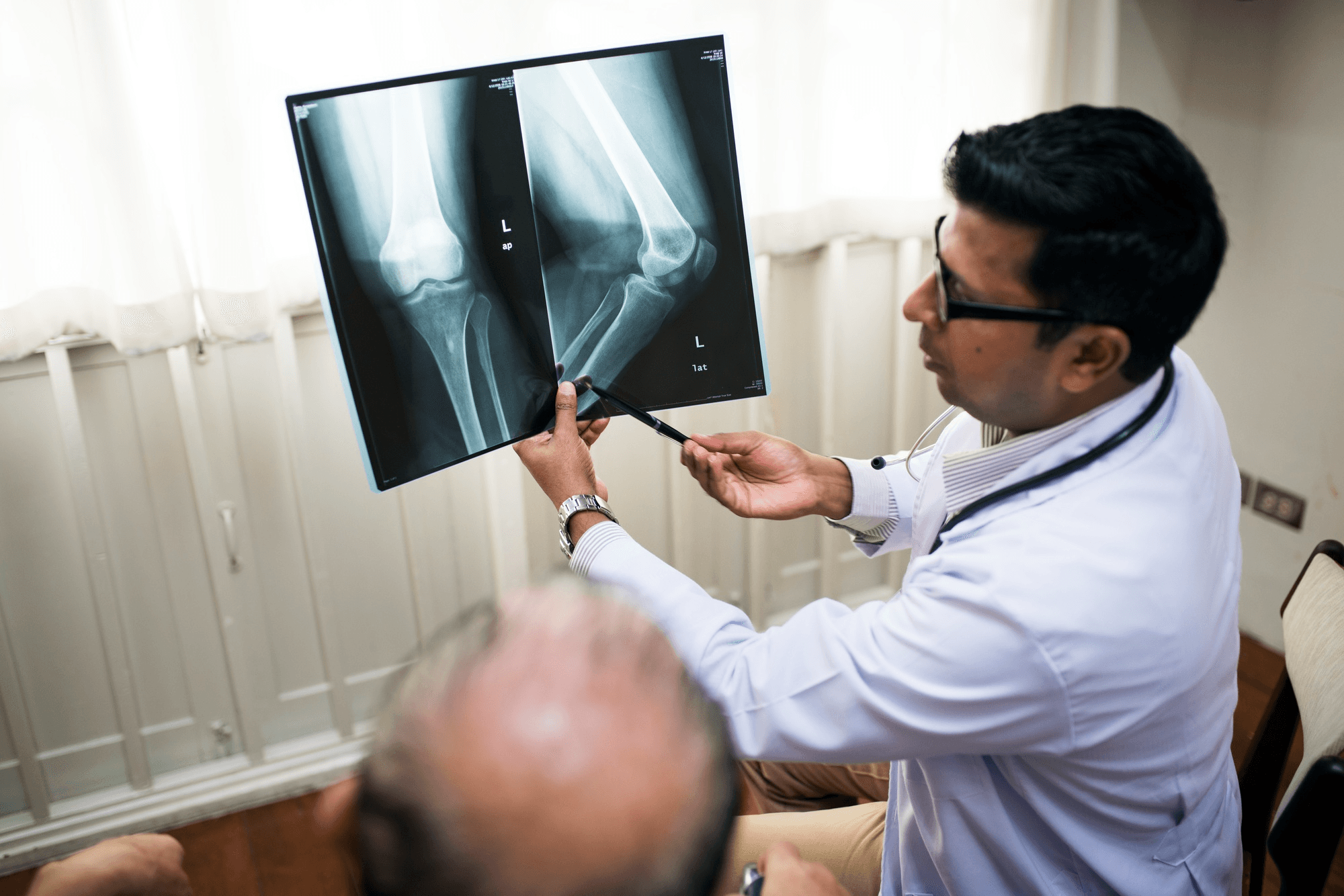
X-ray imaging test used to diagnose bone fractures and detect structural abnormalities.
Most people have never given their pelvis much thought — until something goes wrong. And when a pelvic fracture happens, it is one of the most painful and disorienting injuries a person can face. The pelvis is not just one bone; it is a ring of bones at the base of your spine that holds your entire upper body weight and connects everything from your legs to your spine and internal organs. Breaking any part of that ring is serious.
This guide covers what a pelvic fracture actually is, how it happens, what it feels like, and — most importantly — when it is time to stop waiting and see a specialist. If you are in Greater Noida, Noida, or anywhere in the NCR region, Dr. Akash Dubey — an MBBS (KGMU, Lucknow), MS, DNB Ortho specialist with FIAS, FIJR, and a FIFA Diploma in Football Medicine — runs a dedicated orthopedic clinic at Gaur City 2, Greater Noida West and sees pelvic fracture cases regularly.
What Exactly Is the Pelvis?
The pelvis is a bowl-shaped ring of bone located between your abdomen and your legs. It is made up of three bones that fuse together: the ilium (the wide, flat bone you feel at the sides), the ischium (the bone you sit on), and the pubis (the front part). The sacrum — the lower part of your spine — connects to the back of the pelvis.
All of these bones form a ring. And here is the thing about rings: you cannot break just one part cleanly. Most pelvic fractures involve more than one break in the ring, which makes them structurally complex, even when they are considered "stable."
How Do Pelvic Fractures Happen?
1. High-Energy Trauma
The most common cause in younger adults is high-energy trauma — road accidents, being hit by a vehicle, falls from height, or industrial crush injuries. These fractures tend to be severe, affect multiple bones, and often involve internal bleeding or organ damage. This is a medical emergency.
Road accidents are responsible for a significant number of pelvic fracture cases treated by Dr. Akash Dubey in Greater Noida. The force involved in a collision — whether car-to-car or bike-to-vehicle — is easily enough to shatter the pelvic ring.
2. Low-Energy Falls
In older adults, a simple fall from standing height can do it. This is because osteoporosis — the progressive weakening of bones — makes the pelvis far more vulnerable. A misstep off a stair or a slip in the bathroom is enough. These fractures are usually more stable but still require proper evaluation and treatment.
3. Stress Fractures
These are different. They are not from a single event but from repetitive overload — common in long-distance runners, military recruits, and athletes who train intensely without adequate rest. The bone gradually weakens under repeated stress until it cracks.
4. Avulsion Fractures
These happen when a muscle contracts so forcefully that it pulls a piece of bone off the pelvis. Sprinters, footballers, and martial artists occasionally experience these. Painful, yes — but usually manageable without surgery.
Symptoms: What Does a Pelvic Fracture Feel Like?
This depends heavily on the type of fracture.
With a high-energy fracture, the pain is immediate and severe. You cannot stand, walk, or move your legs without agony. There may be visible bruising around the hip and groin. You may feel pain deep in the lower back. If internal bleeding is involved, you might feel faint, short of breath, or have abdominal tenderness — these are signs of a medical emergency.
With a low-energy or stress fracture, the symptoms can be deceptively mild at first. Dull aching in the groin, lower back, or buttock. Pain that gets worse when you walk or try to stand. Some people mistake it for a muscle pull and wait weeks before coming in for an X-ray. That delay often makes things harder to treat.
Common signs to look out for:
- Pain or tenderness in the groin, lower back, or buttock area
- Pain that worsens with movement, walking, or weight-bearing
- Swelling and bruising around the hip or pelvis
- Numbness or tingling running down one or both legs
- Inability to bear weight on one side
- In severe cases: abdominal pain, difficulty urinating, feeling faint
If any of these are present after a fall or accident, do not try to "walk it off." Get proper imaging done.
Types of Pelvic Fractures: Stable vs. Unstable
1. Stable Fractures
In stable fractures, the bones are cracked but have not moved significantly out of place. The pelvic ring is still largely intact. These include:
- Avulsion fractures — a small piece of bone pulled off by a muscle
- Iliac wing fractures — the wide, flat part of the pelvis breaks but the ring stays intact
- Single ramus fractures — a break in just one part of the pubic arch
Most stable fractures heal without surgery in 8–12 weeks, with rest, pain management, and physiotherapy.
2. Unstable Fractures
These are different — and more dangerous. The pelvic ring has broken in more than one place, meaning the bones can shift. Major blood vessels run through this area, and even a small shift can cause internal bleeding that becomes life-threatening quickly.
Unstable fractures include open-book fractures (where the pelvis opens like a book from the front), vertical shear injuries (common in falls from height), and bucket-handle fractures. These almost always require surgery.
When to See a Specialist in Greater Noida
Honestly, if you have had a fall or accident and feel pain in your hip, groin, or lower back — see a doctor the same day. Do not assume it is a sprain or muscle strain without getting imaging done. The consequences of an untreated or mismanaged pelvic fracture can follow a person for years: chronic pain, limping, difficulty sitting, and in some cases, damage to the bladder or reproductive organs.
For the best pelvic fracture treatment in Greater Noida, Dr. Akash Dubey at Your Bone Mechanic clinic specialises in exactly these cases. As a Certified Pelvic-Acetabular Surgeon and Member of AOPAS (Association of Pelvic and Acetabular Surgeons), he brings focused expertise that not every general orthopedic clinic can offer. Most pelvic fracture cases — especially complex or high-energy ones — need someone who understands the full anatomy and all the structures at risk, not just the bones themselves.

An orthopedic doctor holds a detailed bone model while explaining how bones heal after a fracture during a patient consultation.
How Is a Pelvic Fracture Diagnosed?
When you come in, the process goes like this:
Clinical Examination — The doctor will check your range of motion, press on specific points of the pelvis, look for bruising, and assess your neurological function (whether the nerves in your legs are working properly).
X-Ray — This is always the first imaging step. It shows the location and rough severity of the fracture and gives an immediate picture of how displaced the bones are.
CT Scan — Almost always ordered for pelvic fractures because it gives a detailed, three-dimensional picture of every bone fragment, blood vessel, and injury pattern. For surgical planning, CT is essential.
MRI — Used less commonly, but very helpful for detecting fractures invisible on X-ray (like early stress fractures) and for assessing soft tissue damage.
Treatment Overview
The treatment for a pelvic fracture depends entirely on the type and severity.
Stable fractures are usually managed conservatively: rest, pain relief, limited weight-bearing (with crutches or a walker), and physiotherapy. Most people are back to walking comfortably within 3–4 months.
Unstable fractures require surgery. The approach depends on the fracture pattern, but it typically involves internal fixation — placing plates, screws, or rods to hold the bones in position while they heal. After surgery, a structured rehabilitation program is essential.
Emergency management — when a pelvic fracture arrives with active internal bleeding, the immediate priority is haemorrhage control before anything else. This involves a pelvic binder, and sometimes angiographic embolization or emergency surgery.
What Happens If You Leave It Untreated?
This question comes up more than it should. People in pain sometimes avoid hospitals because they fear surgery, assume it will heal on its own, or do not recognise how serious the injury is.
The honest answer: some stable fractures do heal on their own with rest. But unstable fractures do not. They shift. They cause ongoing nerve damage, persistent bleeding, or deformity that takes far more complex surgery to correct later. The window for ideal surgical repair is typically within the first 7–10 days of injury. Waiting longer makes the operation harder and the outcome less predictable.
Frequently Asked Questions
Q1: Can I walk with a pelvic fracture?
Walking with a stable pelvic fracture is sometimes possible, but painful. With an unstable fracture, walking is not advisable and may worsen the injury significantly. Always get imaging before deciding to "push through."
Q2: How long does a pelvic fracture take to heal?
Stable fractures: 8–12 weeks for bone healing, with full recovery often taking 3–4 months. Surgical cases take 4–6 months, sometimes longer in elderly patients.
Q3: Is surgery always required?
No. Stable fractures — where the bones have not significantly shifted — are managed without surgery in most cases. Surgery is for fractures where the bone alignment needs to be restored and held in place.
Q4: Can a pelvic fracture cause long-term problems?
It can, particularly if it is not properly treated. Chronic pain, difficulty walking, sexual dysfunction, and bladder problems are all possible complications of poorly managed pelvic fractures.
Q5: Who is the best doctor for pelvic fracture in Greater Noida?
Dr. Akash Dubey at Your Bone Mechanic clinic, Gaur City 2, Greater Noida West, is a Certified Pelvic-Acetabular Surgeon and Member of AOPAS — with specific training and extensive experience in pelvic and acetabular fracture care across major hospitals including Apollo Indraprastha and Max Hospitals.
Contact Dr. Akash Dubey — Your Bone Mechanic
If you or someone close to you has sustained a pelvic injury — or if you have been dealing with unexplained hip or lower back pain after an accident — do not wait.
Dr. Akash Dubey
MBBS (KGMU, Lucknow) | MS | DNB Ortho | FIAS | FIJR | FIFA Diploma in Football Medicine
Certified Pelvic-Acetabular Surgeon | Member, AOPAS
Clinic: Shop No. 24, Ground Floor, Gaur City Arcade, Near Sarvodaya Hospital, Gaur City 2, Greater Noida West, U.P. – 201301
To book a consultation, call +91-8130441429
Early evaluation is almost always better than waiting. The sooner the right diagnosis is made, the more options are on the table.